

Spring is right around the corner and typically it is a busy time for builders and home owners to break ground on new projects. Interested in adding a secondary suite to your house? How about renovating your commercial space? What about constructing your dream home? Securing a building permit in the Regional District of Central Kootenay (RDCK) is often the first tangible step in turning ideas and dreams into progress. For residents, builders, and business owners alike, the process is more than paperwork — it is a collaborative effort between the community and local government to ensure projects are safe, compliant, and thoughtfully integrated into the area’s landscape. From initial application to final approval, obtaining a permit reflects both the responsibility of development and the shared commitment to protecting the infrastructure and long-term wellbeing of the region.
The RDCK is responsible for issuing building permits in 11 Electoral Areas and six Municipalities. In 2025, the RDCK issued 363 permits in Electoral Areas and 84 permits in Municipalities (Kaslo, Nakusp, New Denver, Salmo, Silverton, and Slocan).

Obtaining a building permit through the RDCK is a straightforward process when applicants are prepared. The timeline can vary based on the quality of an application to ensure an efficient review time. To avoid delays, applicants are encouraged to plan at least three months ahead of their intended construction start date and ensure they submit a complete and compliant submission.
The most common setbacks stem from engineering requirements from complex designs, misunderstandings around bylaws, development variances or zoning requirements, and failing to confirm whether a permit is required. The first step is reviewing the RDCK building brochure and, if uncertain, contacting staff. Collaboration is part of the service — while staff do not design projects, they can clarify requirements, discuss options, and even look over plans before a formal submission to ensure you are on the right track.
“Our goal is to make the building permit process as smooth and transparent as possible for the community,” said Erik Stout, RDCK Building and Bylaw Manager. “We work closely with applicants to answer questions early, review submissions thoroughly, and help them understand the requirements before construction begins. At the same time, we have a responsibility to ensure projects are completed safely and in compliance with regulations. By working together from the start, we can help applicants move forward with confidence, knowing their build is being done correctly and to a standard that protects both their investment and the occupants of the building.”
Working with a reputable designer is strongly recommended, as incomplete or outdated plans can significantly delay approval. In some cases, engineered plans are required for specific structural components, while designers prepare the overall building plans. Early in the process, applicants should also retain an energy advisor to complete pre-construction energy modelling required under the BC Energy Step Code, if constructing a new home.
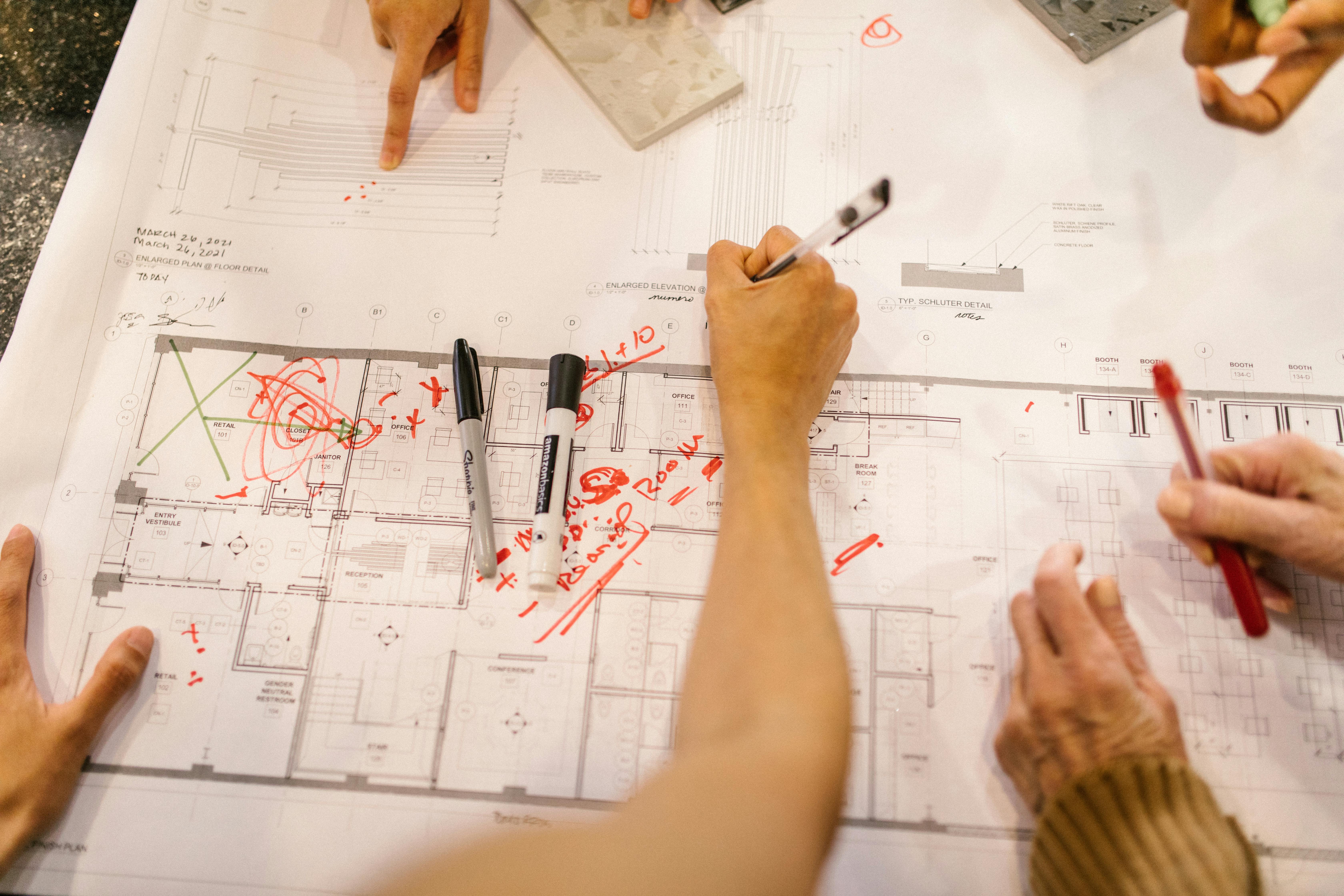
It is important to note that incomplete applications do not enter the review queue. Beginning construction without an issued permit can result in a stop work notice, fines, and even a notice registered on the property title.
With preparation, professional support, and early communication with staff, the building permit process can move efficiently and help ensure a safe and compliant project.